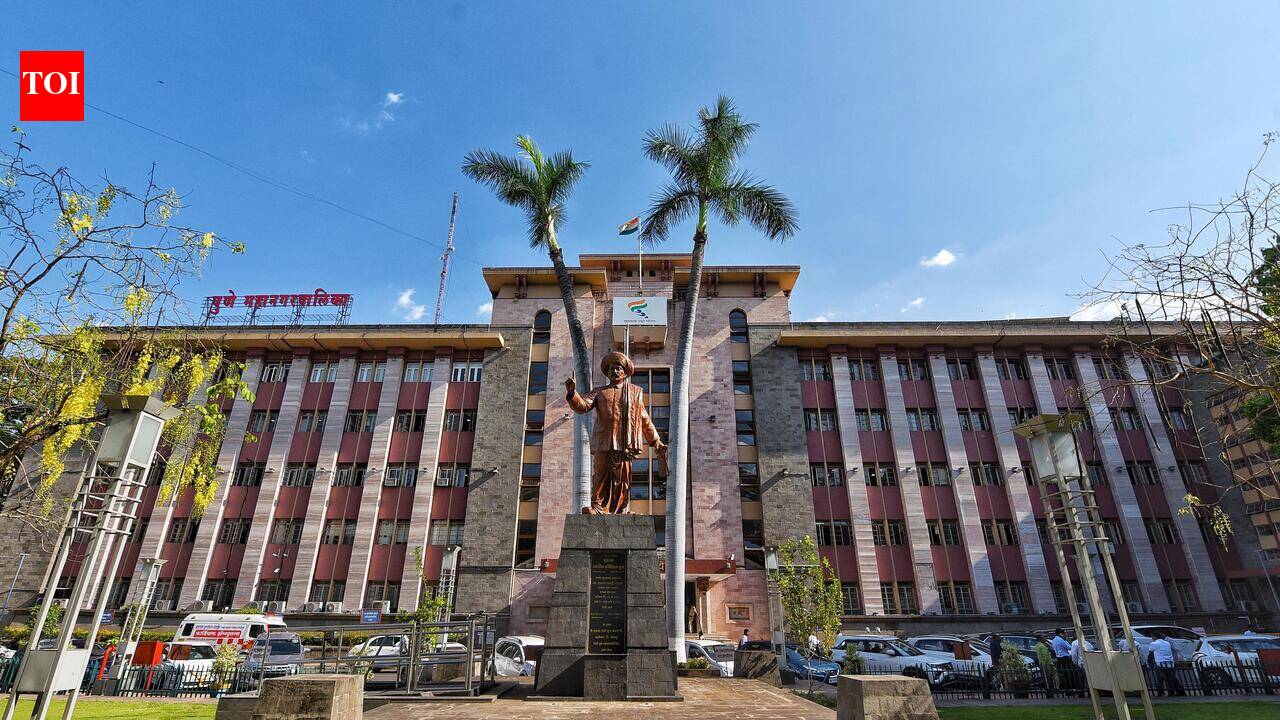

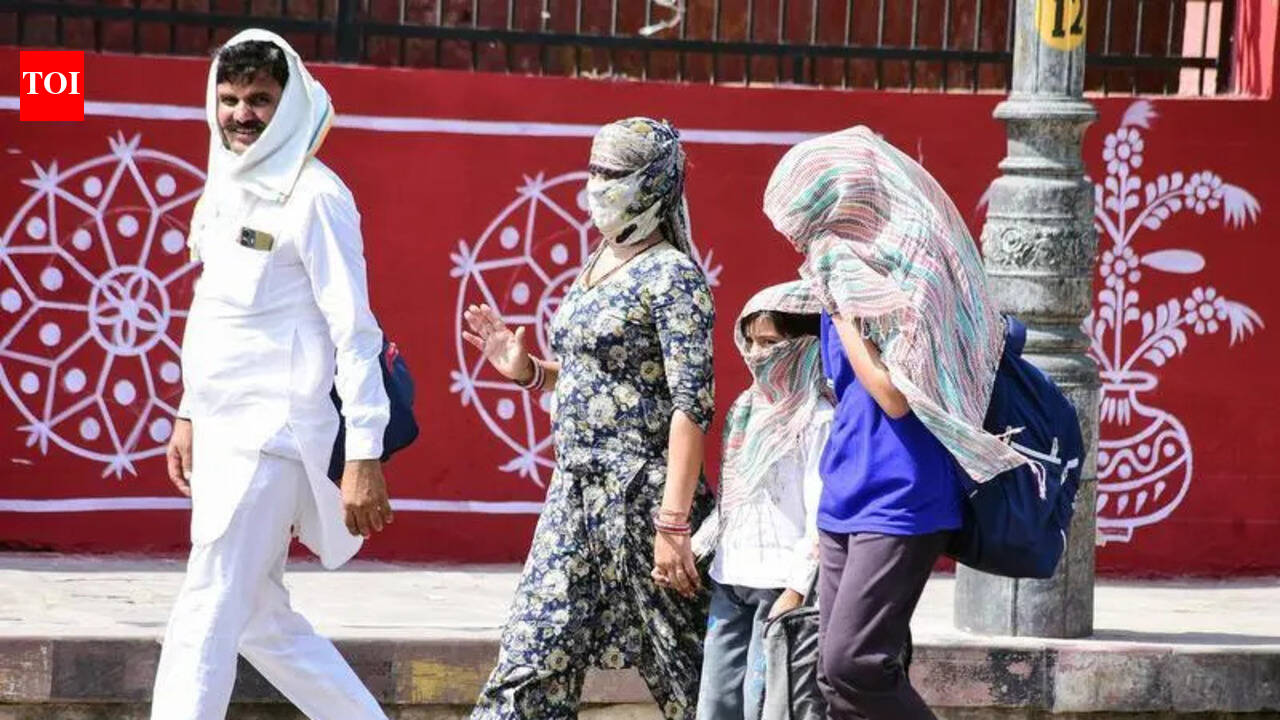
Pune: Tublic health experts have warned that rising night temperatures are emerging as a serious concern while maximum temperatures continue to hover around the 39-41°C mark across the city, increasing the risk of heat-related illnesses, including heatstroke.Data from local observatories showed that on Friday, daytime highs peaked at 39.9°C in Shivajinagar and 41.1°C in Lohegaon. The preceding early morning readings on Friday also indicated high minimum temperatures, with Lohegaon recording 27.5°C, Chinchwad 26.9°C, and Shivajinagar and NDA both at 23.4°C. Relative humidity levels also rose sharply overnight, touching 52% in Shivajinagar and 56% in Lavale, making conditions more humid and uncomfortable.Meteorological conditions, including clouding at night owing to a forecast for pre-monsoon activity, have contributed to warmer nights. However, with only isolated and minimal rainfall reported in recent days, the result has been persistently warm and humid rather than meaningful cooling.Public health expert Dileep Mavalankar from the Indian Institute of Public Health (IIPH), Gandhinagar, said elevated night temperatures prevent the body from recovering after daytime heat exposure. He said in some areas, nights remain unusually warm because of cloud cover, trapping heat and creating sustained thermal stress that can increase the likelihood of heat stroke.He said such indirect heat stress can build up over time and may manifest hours or even a day after exposure. When the body is unable to cool down adequately owing to sustained heat and humidity, the risk escalates. Timely cooling and proper hydration are critical to prevent serious outcomes.Dr Prakash Shende, consultant physician and professor at Dr DY Patil Medical College, said, “In the past few weeks, we have seen a clear rise in heat-related illnesses. I am getting many patients with heat exhausion, and in severe cases, even fainting or semi-consciousness. Heat stroke involves dangerously high body temperature with neurological symptoms, such as confusion or loss of consciousness. Heat exhaustion is primarily triggered by dehydration and salt loss, causing weakness, dizziness and fatigue.“He added, “Night-time heat is also playing a role. The heat accumulated during the day does not dissipate easily, especially for people living in non-air-conditioned homes. As a result, heat exhaustion cases are now being seen even at night. To prevent this, people must stay well hydrated, drink water with some salt and lemon, and include fruits and salads in their diet.”Dr Shende said, “If symptoms such as restlessness or signs of heat stroke appear, they should seek medical attention immediately. It is also advisable to avoid heavy or fast foods during this period as they can increase heat stress in the body.”Dr Soumya Chandrasekhar, head of accident and emergency at Jehangir Hospital, said, “Heat-related illnesses exist on a spectrum. Patients may present with heat exhaustion, abdominal cramps, or even heat syncope, where they feel dizzy or briefly lose consciousness. Not all cases are full-blown heat stroke, but we are seeing a range of such symptoms in the emergency department. Compared to the same period last year, there has been an increase in such cases.“She added, “We have seen heat exhaustion cases both in the night and morning as per our other consultants.”Dr Aditya Bari, physician and diabetologist, said, “Heat stroke is essentially when the body fails to regulate its temperature beyond its normal threshold. This can happen during the day or night. If the body is unable to cool itself through sweating and other mechanisms, heat stroke can occur at any time, including night. In most cases, the process begins during the day due to high temperatures and may manifest later, including at night.“