
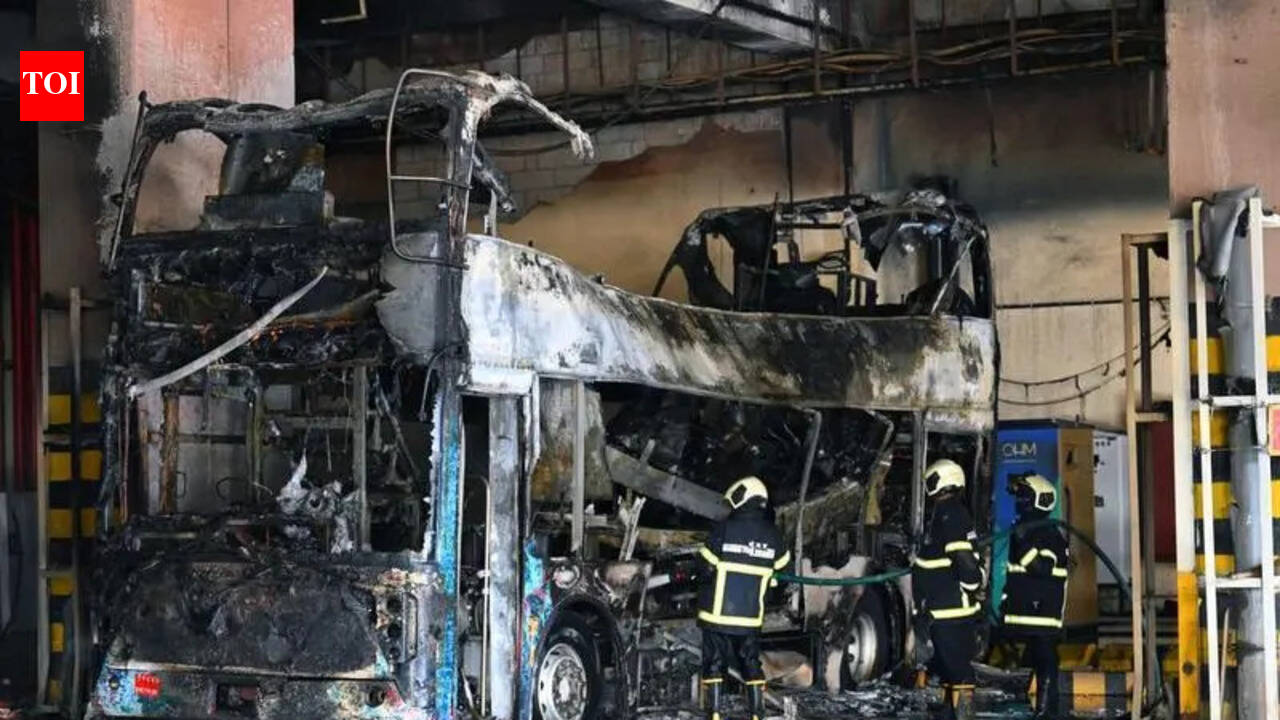
Mumbai: Mumbai’s BEST bus fleet is under sharp scrutiny after a recent fire involving an electric double-decker and the detection of serious defects in 13 wet lease buses recently, exposing troubling gaps in maintenance, inspection and operational safety. The transport undertaking has now ordered comprehensive safety checks across its entire fleet, directing depots not to release any bus for service without proper verification, a senior official said on Wednesday.“We will not release any bus on the road unless it is roadworthy, and such inspections will be carried out periodically,” a senior BEST official said on Wednesday.The move comes after a fire destroyed one of BEST’s electric AC double-deckers on May 3, reducing the operational strength of the e-double-decker fleet to 49. While officials have said that 150 additional buses are expected from the private contractor, the incident has intensified concerns over battery safety, technical oversight and the preparedness of public transport systems to handle electric mobility at scale.A preliminary inquiry has revealed that the double-decker bus was first charged on May 1 but failed to start. It was charged again on May 2, yet remained parked at the depot because the problem persisted. On May 3, smoke reportedly began emanating from the battery due to thermal heating, eventually leading to the blaze. The episode raises serious questions about whether warning signs were adequately assessed and whether preventive protocols were robust enough, said a BEST panel member after the committee meeting on Tuesday.Adding to the alarm, BEST panel member Nitin Nandgaonkar pointed to defects in at least 13 wet lease buses. The reported faults include steering lock issues, possible brake failures, worn brake liners, poor vehicle condition and inadequate maintenance resulting in repeated breakdowns. These are not minor technical irregularities but defects in critical systems that directly affect road safety and passenger security. Equally worrying are allegations made by Shiv Sena (UBT) members in the BEST panel that “some buses were sent back into service without proper repairs despite known defects.” If established, such lapses would reflect not just negligence but a dangerous compromise with commuter safety.BEST officials have acknowledged receiving documentary evidence from Sena (UBT) and said a detailed probe is underway. But inspections and inquiries alone will not restore confidence unless followed by accountability, transparent reporting and strict enforcement of maintenance standards, Nandgaonkar demanded. “For a city that depends heavily on buses every day, safety cannot remain a post-incident exercise. It must become the first condition of service,” he added.