
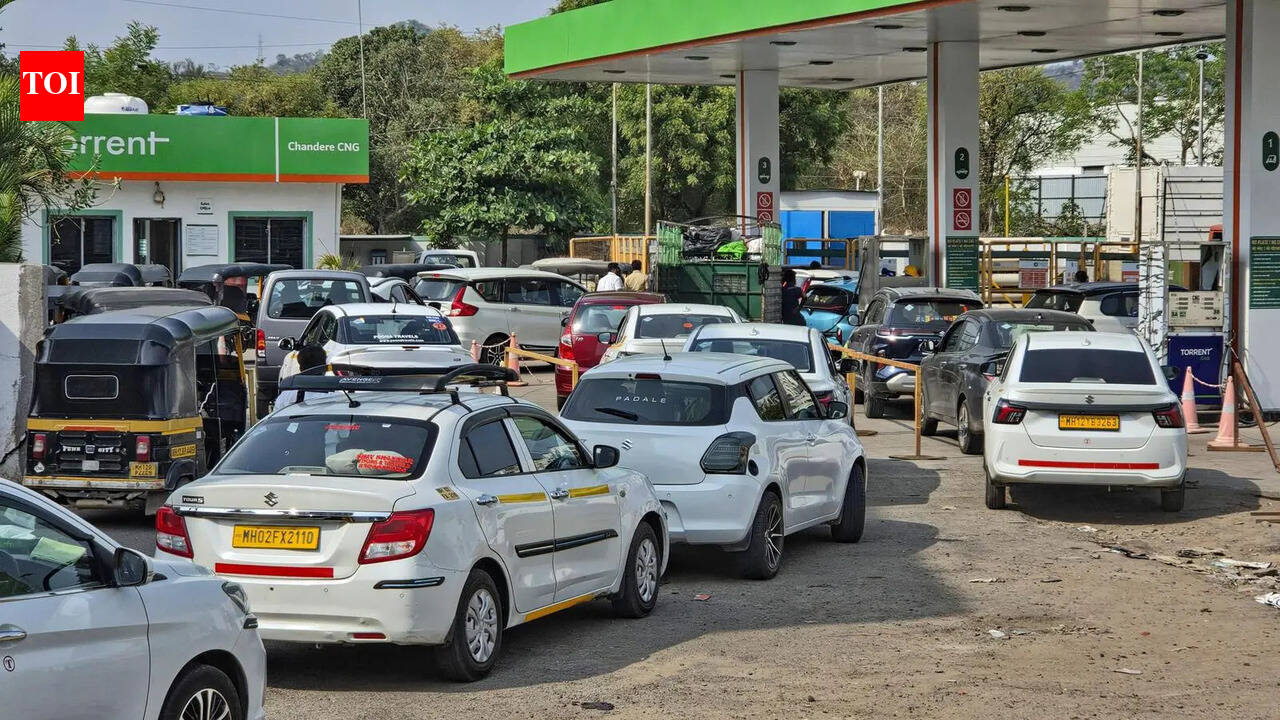
Pune: The rush for fuel persisted at several filling stations across Pune on Friday, with dealers attributing the panic buying to the fear of shortage among customers and delayed fuel tanker movement rather than just fuel price hike.Sources from the Pune Petrol Dealers Association said several pumps went dry on Friday. It happened not only due to increased demand but also because of unavailability of tankers, they said.On Friday, from 6am onwards, petrol price was increased by Rs 3.16 per litre to Rs 107.01, diesel rose Rs 3.10 per litre to Rs 93.51, and Indian Oil Corporation’s XP95 premium petrol was hiked by Rs 3.14 per litre.Members of the Pune Petrol Dealers Association said many consumers appeared to be influenced by circulating reports and messages over the past two days that showed queues and discussed fuel conservation appeals. According to some dealers, these reports triggered fears among motorists that fuel supplies were scarce.“People were scared and felt that the fuel was not there. Someone who would normally buy fuel worth Rs 500 was filling for Rs 1,000,” a source from the Pune Petrol Dealers Association said.Retailers were worried that the eventual effect of the fuel price hike would be felt by common people. Some retailers said as the transportation costs would rise, the eventual effect could be felt in household budgets. Vegetable seller Teja Ram said prices of produce had already increased due to summer conditions, and further fuel cost increases would add to the burden.Dealers said the rush was not uniform. While some fuel pumps on Karve Road and some other areas reported normal business, several others witnessed high footfall. Industry representatives said the pattern suggested localised effects, with customers flocking to nearby stations after hearing that some outlets had run dry.A dealer from the association said, “Fuel sales had already been elevated over the last few days and remained around 20% above normal on Friday. In the last three days, sales rose by nearly 30%. Some queues were a result of cumulative demand from customers and fears of unavailability.”Another city-based dealer said his pump ran dry on Friday due to a delayed tanker, though supplies were restored later in the day. He said, “Customers who found pumps shut or dry elsewhere were moving from one station to another and topping up tanks as a precaution.”Echoing the dealer, another dealer said these challenges were compounding the issue with increased demand.An association member said, “Delayed deliveries should not be mistaken for a fuel shortage. A shortage would mean oil companies restricting allocation. It was not the scenario. Instead, the issue was with the logistics.”The fuel price rise was also expected to have a wider impact on transport and commodity prices. Baba Shinde, president of Maharashtra State Vahan Chalak Malak Pratinidhi Mahasangh, told TOI that the diesel price hike would sharply increase costs for transporters already under financial stress.“We were already under pressure due to the recent e-challan controversy, which increased costs of spare parts and taxes. Due to the West Asia conflict, fewer ships with consignments were coming to ports, and we have been suffering because of the same too. If diesel rates were not reconsidered, we would be in a bigger mess and prices would rise, resulting in common people having to bear the brunt,” he told TOI.A member of dealers’ association further noted that supply delays were more noticeable in rural belts. “Supply to rural areas was not being restricted but delayed,” he said, attributing it to the issue of tanker movement. “City areas have a lot of tankers, but if sales go higher than normal, stock could be depleted before normal working hours.”